

 Myopia management
 Dry Eye Treatment
 Shop Our Frames
Blog:Style for the New Year: The Must-Have Designer Eyeglass Frames in Houston for 2026
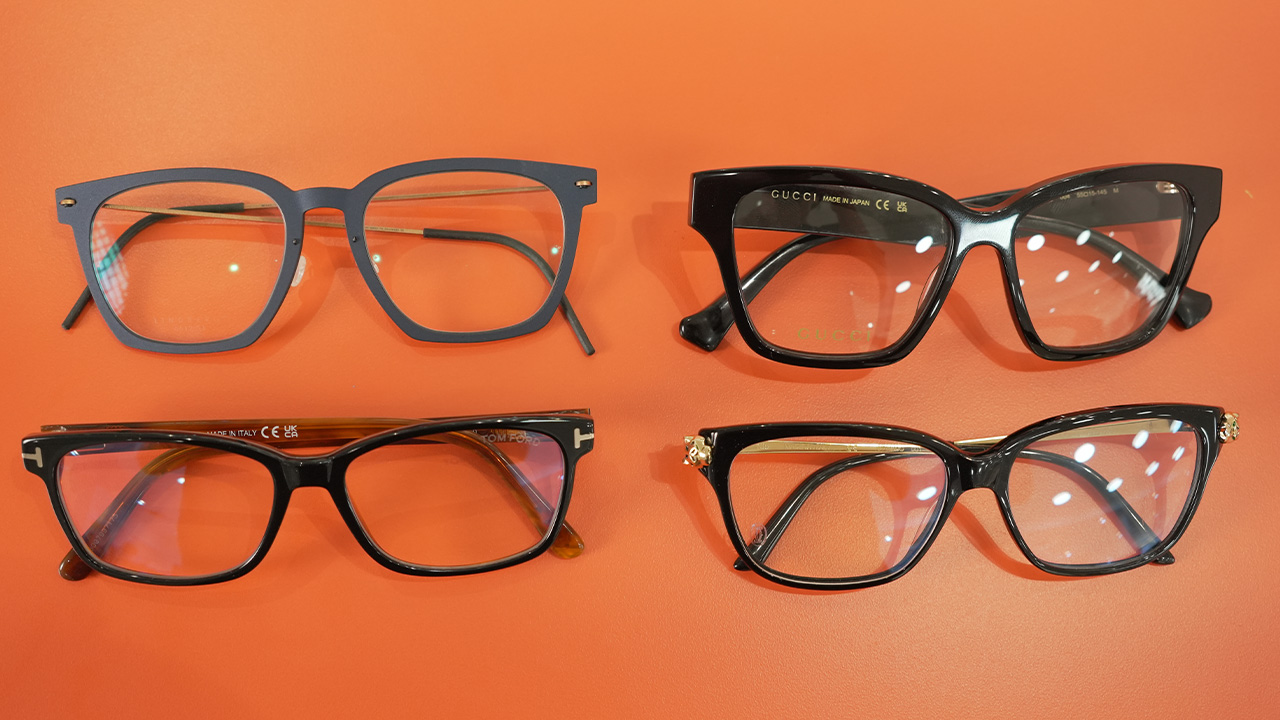
The 2026 eyewear season in Houston blends bold silhouettes, technical materials, and practical lens pairings for style and vision. This guide covers leading trends, brand highlights, material innovations, and clinical considerations for designer eyeglass frames. Shoppers learn about dominant shapes, finishes, designer updates, face-shape/lifestyle rules, and material advances suited for Houston’s climate. It also maps where to find curated frames and how clinical optical services enhance prescription integration and satisfaction. Expect trend lists, comparison tables, selection tips, and a local shopping checklist.
What Are the Top Eyewear Trends for 2026 in Houston?
Designer eyewear in 2026 emphasizes sculptural forms and technical comfort, driven by new materials and a cultural shift toward expressive accessories supporting daily digital life. Trends reflect runway experimentation, material innovation, and lens technologies addressing screen time, creating fashion-forward, wearable frames. Houston's climate and active city life favor lightweight, durable frames resistant to sweat and sunlight. Key trends include:
Oversized frames that balance statement-making proportions with modern lens coatings for digital comfort.
Minimal rimless and semi-rimless profiles that emphasize facial features while cutting weight.
Sculptural geometric shapes and soft cat-eye variations offering a crafted, fashion-led silhouette.
Smartly detailed metallic accents and translucent acetate finishes that blend luxury and durability.
These trends point toward frames performing visually and functionally in daily Houston life, leading into specific shape and color guidance for 2026 looks.
Which Frame Shapes Are Leading the 2026 Style?
Leading frame shapes for 2026 mix volume and precision: oversized acetate, refined cat-eye curves, aviator reinterpretations, geometric hexagons, and low-profile rimless designs. Oversized acetate offers bold statements and ample lens area for progressive/blue-light lenses. Cat-eye/butterfly shapes lift facial features, ideal with lightweight materials for humid conditions. Aviator/geometric frames feature slimmer bridges and refined temples, reducing weight while maintaining classic proportions. Pairing tips: oversized frames suit longer/oval faces; cat-eyes complement square jawlines; rimless/semi-rimless flatter round faces. These blend aesthetic trends with practical requirements, leading to 2026 color palettes and material finishes.
What Colors and Materials Define 2026 Designer Eyeglass Frames?
The 2026 palette features warm, wearable tones and mixed-material accents: Havana tortoiseshells, translucent pastels, rich espresso hues, and satin metallics. Translucent/layered acetate adds depth; brushed metal temples/anodized accents provide an engineered feel. Designers balance bold colors with neutrals for versatility. Material choices blend aesthetics/functionality: acetates offer richness, while metals/titanium provide slimness/durability. Finishes impact maintenance/longevity, tying material selection to daily habits and Houston’s climate.
Which Designer Eyeglass Brands Are Must-Haves in Houston for 2026?
Designer houses in 2026 combine signature styling with technical updates. Brand choice depends on prioritizing heritage, modern engineering, or an independent artisan aesthetic. Luxury labels offer statement pieces; heritage brands focus on timeless silhouettes with tech updates; emerging designers provide limited-run, craft-forward acetate work. Below is a compact brand reference for 2026.
Tom Ford: Known for bold, structured acetate and distinctive bridge treatments that emphasize luxury finishes and polished silhouettes.
Gucci: Offers eclectic shapes and mixed-material frames featuring stand-out logos and eclectic colorways updated with 2026 metallic accents.
Ray-Ban: Focuses on reinterpreted classics—aviators and wayfarers—with lighter constructions and modern lens coatings for digital wear.
Lindberg: Renowned for Danish minimalist engineering, featuring ultra-lightweight titanium and patented screwless hinges for exceptional comfort and purist design.
Saint Laurent: Defined by sleek, modern rectangular and bold cat-eye acetate shapes, reflecting a contemporary rock-and-roll attitude and distinctive house monogram detailing.
Cartier: Represents the pinnacle of luxury, utilizing precious materials like gold, platinum, and exotic woods, often incorporating signature jewelry motifs like the Panthère or 'C de Cartier' decor.
Maui Jim: Specializes in sunglasses, known globally for their advanced PolarizedPlus2® lens technology which enhances color, clarity, and contrast while offering superior UV and glare protection, essential for bright Houston weather.
Local optical providers curate selections mixing marquee designers with independent labels, ensuring shoppers match desired looks to fit and prescription needs.
| Brand | Signature Styles | Price Range | Notable 2026 Features |
|---|---|---|---|
| Tom Ford | Structured acetate, bold bridges | Premium | Polished hardware, engineered comfort |
| Gucci | Eclectic shapes, logo details | Premium | Mixed materials, metallic accents |
| Ray-Ban | Aviator/wayfarer classics | Mid to Premium | Lighter constructions, modern coatings |
| Lindberg | Ultra-light titanium, rimless/minimalist frames | Premium | Screwless hinges, custom-fit personalization |
| Maui Jim | Classic/Wrap silhouettes, sport-luxury focus | Mid to Premium | PolarizedPlus2® lens technology, maximum sun protection |
This brand comparison clarifies stylistic expectations, helping Houston shoppers target brands aligning with aesthetic and technical needs. Next, local retail availability and expert fit services are discussed.
Texas State Optical Briargrove curates designer frames from top labels, pairing them with clinical optical expertise for prescription fit and comfort.The practice offers a handpicked collection and expert optical team to guide selection, emphasizing comfort, durability, and standout design for Houston. Shoppers benefit from in-person fit assessments and lens integration guidance.
What Makes Tom Ford, Gucci, and Ray-Ban Stand Out in 2026?
Tom Ford, Gucci, Ray-Ban, Lindberg, and Cartier update their visual language for 2026, collectively responding to demand for comfort, technicality, and expression. Tom Ford emphasizes structured acetate and bold bridge details with lighter internal reinforcements for polished wear. Gucci blends eclectic colorways and house motifs with refined metallic accents for versatile fashion/function. Ray-Ban modernizes classic profiles with lighter metals and new lens coatings to reduce glare and address digital screen exposure. Lindberg provides the highest degree of minimalist engineering, utilizing ultra-light titanium and patented screwless hinges for discreet precision. Cartier elevates luxury craftsmanship with precious materials and iconic jewelry motifs, treating eyewear as wearable art. Match brand strengths to needs: Tom Ford for polished statements, Gucci for expressive style, Ray-Ban for timeless usability, Lindberg for technical lightness, and Cartier for ultimate luxury, prioritizing the perfect balance of fit and function.
How Do Emerging Designer Brands Fit Houston’s Fashion Eyewear Scene?
Emerging designers offer craft-forward options and niche frame shapes, appealing to Houston shoppers seeking distinctiveness and artisanal quality. These labels focus on small-batch acetate, experimental color laminations, and bespoke finishes, providing unique profiles without compromising fit or lens compatibility. Local boutiques and curated optical practices stock emerging labels alongside established designers for comparison. Finding these brands involves in-store discovery, influencing frame decisions based on face shape and lifestyle needs.
How Do You Choose the Perfect Designer Frames for Your Face Shape and Lifestyle?
Choosing frames combines proportion, function, and daily habits. The right frame balances facial proportions, supports lens types, and withstands routine activities. Key decision factors include face shape, prescription complexity, lifestyle demands, and maintenance level, affecting frame size, bridge, temple fit, and material. This section offers stepwise guidance for selection, preparing shoppers to test frames for fit/lens compatibility. Begin with face-shape pairings, then add lifestyle/prescription constraints.
Evaluate facial proportions and measure lens width and bridge fit for balance.
Consider dominant activities such as outdoor sports or prolonged screen work to choose durable, comfortable frames.
Match lens requirements (progressive, high prescription) to frame lens area and mount stability to ensure optical performance.
Which Frame Styles Best Complement Different Face Shapes?
Face-shape rules balance proportions: rounded faces benefit from angular frames; square faces soften with curves; heart-shaped faces gain balance from lower-weight tops; oval faces can wear most silhouettes. Geometric/rectangular frames add structure to round faces. Square faces pair well with rounded/cat-eye frames. Heart-shaped faces favor lower-weight/rimless options. Oval faces have the widest range but should match frame widths to their widest part. Applying these rules reduces trial-and-error, leading to lifestyle/prescription considerations.
How Should Lifestyle and Prescription Needs Influence Your Frame Choice?
Daily habits and prescription complexity dictate material, lens size, and frame robustness. Active lifestyles require flexible hinges and durable temples. Progressive/high-index prescriptions need larger lens areas and specific frame geometry; progressive lenses benefit from tall frames. High prescriptions often suit smaller lens diameters and high-index materials to minimize edge thickness, favoring metal/slim acetate. Durability features like spring hinges and corrosion-resistant finishes are crucial for humid Houston conditions. These constraints must be assessed with aesthetic goals for stylish and optically sound frames.
What Innovations in Materials and Design Are Shaping 2026 Eyeglass Frames?
Material science and manufacturing advances are central to 2026 eyewear, yielding lighter, stronger, and more sustainable frames. Key innovations include refined lightweight acetates, advanced titanium alloys, carbon fiber composites, and bio-based acetates. These materials alter form/function, allowing larger silhouettes without weight penalties and improving comfort/longevity. The table below compares common 2026 materials.
| Material | Weight | Durability | Cost | Eco Credentials |
|---|---|---|---|---|
| Acetate (lightweight blends) | Light to mid | High with care | Mid | Not recyclable but long-lasting |
| Titanium alloys | Very light | Very high | Higher | Low environmental impact due to longevity |
| Carbon fiber | Very light | Very high, rigid | High | Long-lasting, limited recyclability |
| Bio-acetate | Light | Moderate to high | Mid to high | Renewable feedstocks, biodegradable potential |
Why Are Lightweight Acetate and Titanium Frames Popular in Houston?
Lightweight acetate and titanium balance expressive shapes with day-long comfort, essential in Houston’s warm, active environment. Acetate offers rich color/sculptural profiles, with modern formulations reducing weight to prevent slippage in humidity. Titanium provides exceptional strength, a slim profile, and corrosion resistance, ideal for minimal visual weight/maximal durability. Major designer brands like Lindberg specialize in these lightweight, minimalist titanium constructions, making them a perfect, durable choice for the Houston climate. These materials accommodate diverse lens types/prescription strengths. Material choice reflects aesthetic preference/functional demands, leading into eco-friendly innovations and carbon fiber.
How Are Eco-Friendly and Carbon Fiber Materials Changing Designer Eyewear?
Eco-friendly materials and carbon fiber introduce new design possibilities and sustainability narratives for 2026 eyewear, with trade-offs in aesthetics, cost, and recyclability. Bio-acetate/plant-based blends reduce reliance on petroleum plastics and allow artisan colorways. Carbon fiber offers unmatched stiffness-to-weight ratios, enabling thin temples and bold geometric frames without added weight, though costly/less recyclable. Designers increasingly mix these materials for visual interest/performance, blending bioplastics with metal or carbon-fiber cores. These innovations expand choices for Houston shoppers seeking performance and environmental consideration.
Where Can Houston Residents Find Luxury Designer Eyeglass Frames in 2026?
Start browsing our full designer inventory and try frames on virtually here: https://tsobriargrove.optifysite.com/
Curated frame selection that mixes established designers and independent labels.
Digital browsing capabilities, including a virtual try-on tool.
Professional frame-fit and prescription verification during appointment consultations.
Access to lens options and coatings that align with the wearer’s lifestyle needs.
These shopping expectations guide where to look for premium eyewear, leading to a local practice and booking steps.
What Makes Texas State Optical Briargrove the Go-To Eyewear Destination?
Texas State Optical Briargrove curates designer frames from top labels, pairing them with clinical optical expertise for prescription fit and comfort. The practice offers a handpicked collection and expert optical team to guide selection, emphasizing comfort, durability, and standout design. Shoppers benefit from in-person fit assessments and lens integration guidance.
How Can You Book an Appointment or Explore Designer Frames at TSO Briargrove?
To explore designer frames and schedule a consultation at Texas State Optical Briargrove, the process is designed for modern convenience. You can start by viewing our wide selection of designer eyeglass frames online and using our virtual try-on feature to shortlist favorites. Then, call or visit us in person. Calling confirms inventory and reserves an optical consultation. In-person visits offer detailed measurement, lens-suitability discussions, and hands-on comparison with the expert optical team, ensuring the perfect fit that a virtual try-on can only preview. Expect a consultation covering prescription verification, frame adjustments, and lens/coating recommendations tailored to your lifestyle/vision needs. This straightforward approach helps Houston residents find designer eyeglasses meeting both style and clinical standards.
What Are the Essential Eye Health Considerations When Choosing Designer Eyeglasses in 2026?
Eye health fundamentals must guide designer frame choices, as lens performance, prescription accuracy, and ocular conditions determine long-term frame utility. Key considerations include accommodating required lens types, confirming fitting parameters for multifocals, and selecting specialized technology like Neurolens, which corrects subtle eye misalignment to alleviate headaches and digital strain. Regular eye exams maintain prescription accuracy and detect conditions influencing eyewear needs. The table below clarifies common lens types, benefits, and ideal frame pairings.
| Lens Type | Benefit | Best Paired Frame Types | Typical Use |
|---|---|---|---|
| Progressive lenses | Seamless near-to-distance vision | Taller lens heights, full-rim frames | Everyday multifocal wear |
| Transitions (photochromic) | Adaptive glare control | Medium to large lens areas | Indoor/outdoor variability |
| Blue light filter | Reduces digital eye strain | Larger lenses for screen work | Heavy screen users |
| High-index lenses | Thinner optics for strong prescriptions | Smaller lens diameters, sturdy mounts | High prescriptions |
| Neurolens | Therapeutic correction for eye misalignment symptoms (headaches, strain) | Compatible with most designer frame styles | Patients with persistent screen discomfort |
- Get a comprehensive eye exam before purchasing designer frames to confirm prescription stability and assess candidacy for therapeutic lenses like Neurolens.
- Verify fitting parameters such as pupillary distance and segment height for multifocal lenses.
- Choose lens materials and coatings that match lifestyle needs, such as high-index materials for strong prescriptions or blue-light filters for heavy screen use.
These health-driven steps ensure designer eyewear enhances both vision and style long-term; routine exams and careful lens selection keep frames performing well, preserving ocular health.
Quick Links
Helpful Articles
article_category: products
article_category: psychiatry
article_category: faqs
article_category: cats
article_category: general
article_category: services
article_category: technology
article_category: dogs
article_category: restorative
article_category: vision therapy
article_category: contact lenses
article_category: health
article_category: conditions
article_category: eye surgery co-management
article_category: exotic
article_category: cosmetic
article_category: surgical procedures
article_category: aesthetics
article_category: preventative
article_category: ocular disease management
article_category: eyeglasses
article_category: eye health
article_category: large animal
[]
article_category: psychiatry
article_category: faqs
article_category: cats
article_category: general
article_category: services
article_category: technology
article_category: dogs
article_category: restorative
article_category: vision therapy
article_category: contact lenses
article_category: health
article_category: conditions
article_category: eye surgery co-management
article_category: exotic
article_category: cosmetic
article_category: surgical procedures
article_category: aesthetics
article_category: preventative
article_category: ocular disease management
article_category: eyeglasses
article_category: eye health
article_category: large animal
[]
Flowbite is an open-source library of interactive components built on top of Tailwind CSS including buttons, dropdowns, modals, navbars, and more.
Check out this guide to learn how to get started and start developing websites even faster with components on top of Tailwind CSS.

All Eyecare Services
We offer a wide variety of eye care services to the Houston community. Contact us with any questions about our services.

Locate Us
Click here to find us on Google Maps and take the first step toward meeting our team in person—we can't wait to welcome you to our office!

Contact Information
Office Hours
- Monday 9:00am - 6:00pm
- Tuesday 9:00am - 6:00pm
- Wednesday Closed
- Thursday 9:00am - 6:00pm
- Friday 9:00am - 6:00pm
- Saturday 9:00am - 1:00pm
- Sunday Closed
- Monday 9:00am - 6:00pm
- Tuesday 9:00am - 6:00pm
- Wednesday Closed
- Thursday 9:00am - 6:00pm
- Friday 9:00am - 6:00pm
- Saturday
- Sunday Closed
- Monday 8:00am - 5:00pm
- Tuesday
- Wednesday
- Thursday
- Friday
- Saturday
- Sunday
© 2026 Texas State Optical Briargrove. All rights Reserved - Accessibility Statement - Privacy Policy - Sitemap
Managed and Designed by 