

 Myopia management
 Dry Eye Treatment
 Shop Our Frames
Blog:The Difference Between an Eye Exam and a Medical Eye Exam
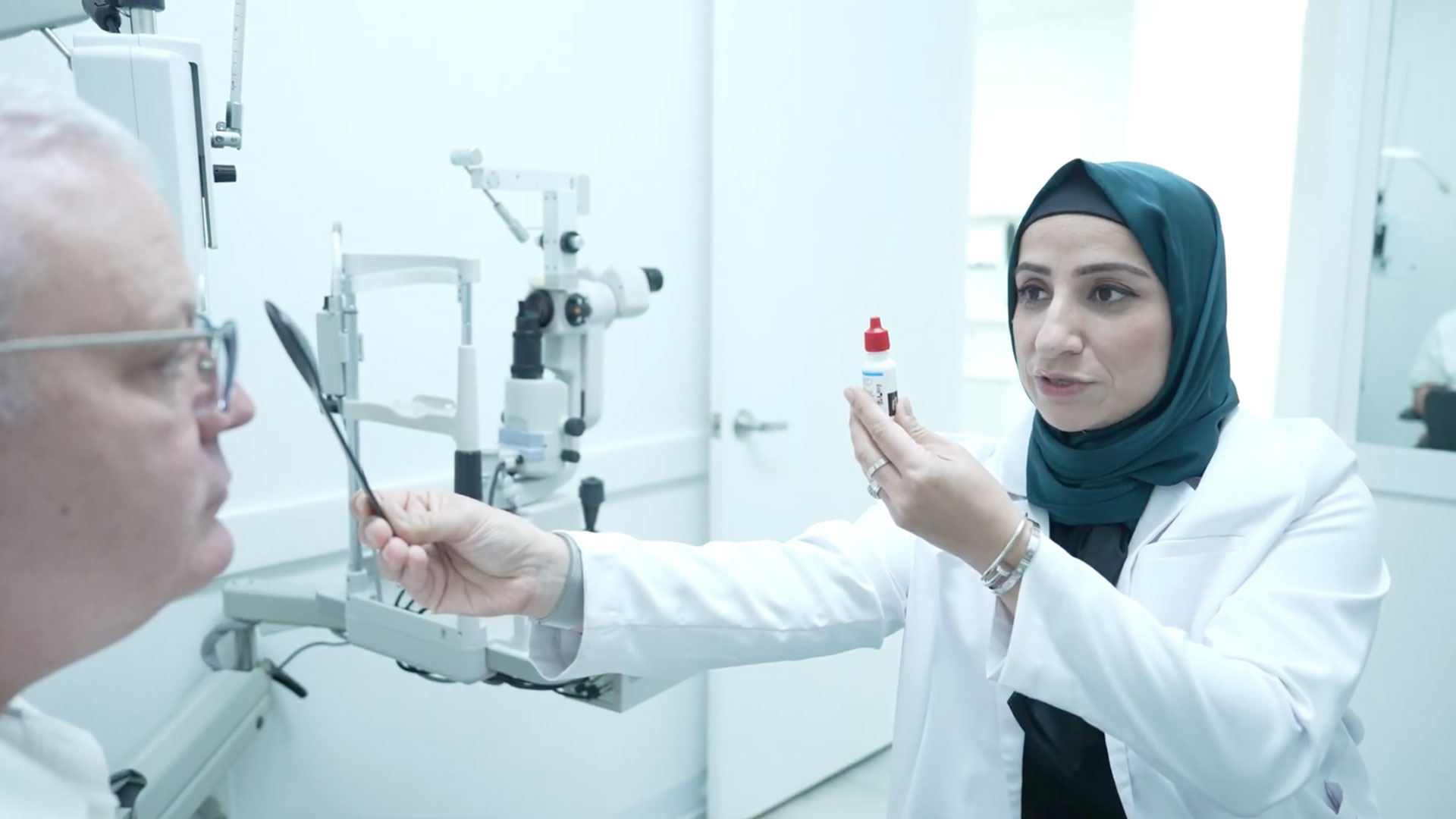
Summary
- A comprehensive eye exam is a routine, preventive visit, while a medical eye exam diagnoses and treats specific eye conditions.
- Knowing which exam you need can help you make better decisions about your eye health and avoid unnecessary out-of-pocket costs.
- Texas State Optical At Briargrove offers both exam types, providing complete eye care for Houston residents.
Table of Contents
- What is a Comprehensive Eye Exam in Houston?
- What is a Medical Eye Exam in Houston?
- Eye Exam vs Medical Eye Exam: What's the Difference?
- What Tests Do Eye Doctors Perform During a Comprehensive Eye Exam and a Medical Eye Exam?
- Does Regular Insurance Cover Eye Exams?
- How Much Does a Medical Eye Exam Cost?
- Why is Texas State Optical At Briargrove Houston's Trusted Choice for a Comprehensive Eye Exam?
- Frequently Asked Questions
What is a Comprehensive Eye Exam in Houston?
A comprehensive eye exam in Houston is a routine, preventive visit focused on evaluating your overall vision health. An optometrist performs this type of eye exam and covers a wide range of vision-related assessments.
A comprehensive eye exam can help:
- Determine how well you can see
- Assess whether you need corrective lenses
- Check for early signs of eye disease
During the visit, your eye doctor will:
- Check your visual acuity
- Evaluate how well your eyes work together
- Assess your need for glasses or contact lenses
- Screen for common eye conditions such as glaucoma, cataracts, and macular degeneration
Healthy adults should have a routine eye exam every 1 to 2 years; children should have an annual exam once they start school; and seniors should have a routine exam every 1 to 2 years. Those with existing eye conditions, diabetes, or a family history of eye disease should see an eye doctor every year.
What is a Medical Eye Exam in Houston?
A medical eye exam in Houston, is a clinically focused visit that goes beyond routine vision screening. It can help diagnose, treat, and manage specific eye conditions or diseases.
A medical eye exam is necessary when you are experiencing symptoms such as eye pain, redness, sudden vision changes, flashes of light, floaters, or any other signs that something may be wrong with your eyes. Eye doctors also use it to manage chronic conditions such as diabetic retinopathy, dry eye disease, glaucoma, and uveitis.
During a medical eye exam, your doctor will conduct a more in-depth evaluation of the structures of your eye, review your medical history in detail, and may order additional diagnostic testing. The visit is documented and coded differently from a routine exam, which affects how it is billed and covered by insurance.
Eye Exam vs Medical Eye Exam: What's the Difference?
The core difference between a comprehensive eye exam and a medical eye exam lies in purpose, billing, and clinical focus.
| Factor | Comprehensive Eye Exam | Medical Eye Exam |
|---|---|---|
| Purpose | Preventive | Diagnostic and therapeutic |
| Billed To | Vision insurance | Medical/health insurance |
| Frequency | Annual routine visit | When a medical concern exists |
| Focus | Vision, prescription, and early screening | Eye disease, injury, systemic conditions |
| Billing Codes | Vision-specific codes | Medical billing codes |
A comprehensive eye exam checks your vision, updates prescriptions, and screens for early signs of eye disease. On the other hand, a medical eye exam is for specific medical concerns or systemic conditions that affect your vision, such as diabetes or hypertension.
It's also worth noting that, in some cases, eye doctors can perform both types of exams during the same visit. If your eye doctor identifies a medical issue during a routine exam, they may shift the billing to reflect the medical nature of the visit.
It is why it is important to be transparent with your provider about your symptoms and health history before the exam begins.
What Tests Do Eye Doctors Perform During a Comprehensive Eye Exam and a Medical Eye Exam?
A comprehensive eye exam includes standard vision and eye health assessments, while a medical eye exam adds advanced diagnostic procedures based on your condition.
Tests Included in a Comprehensive Eye Exam
- Visual Acuity Test: Measures how clearly you can see at various distances using an eye chart.
- Refraction Assessment: Determines your exact prescription for glasses or contact lenses.
- Eye Muscle Movement Test: Checks how well your eyes move and work together.
- Pupil Response Test: Evaluates how your pupils react to light.
- Visual Field Test: Screens your peripheral vision for any gaps or blind spots.
- Slit-Lamp Examination: Allows your doctor to examine the front structures of your eye, including the cornea, iris, and lens.
- Retinal Examination: Involves viewing the back of your eye to check the retina, optic nerve, and blood vessels.
Additional Tests That Eye Doctors May Include in a Medical Eye Exam
- Optical Coherence Tomography (OCT): Captures detailed cross-sections of the retina and optic nerve.
- Fundus Photography: Takes photos of the retina to document and monitor changes over time.
- Corneal Topography: Maps the corneal surface and is used to manage conditions such as keratoconus.
- Tonometry: Measures the pressure inside your eye to screen for and monitor glaucoma.
- Gonioscopy: Examines the angle of drainage of the eye, which is relevant to glaucoma management.
The specific tests performed during your medical eye exam will depend on your symptoms, diagnosis, and overall health history.
Does Regular Insurance Cover Eye Exams?
Vision insurance plans typically cover routine comprehensive eye exams. These plans cover preventive services like annual eye exams, glasses, and contact lenses. If you only have medical insurance and no vision plan, your insurer may not cover your routine eye exam or may only reimburse part of the cost.
Medical eye exams, however, are covered under your health insurance plan because they are considered medically necessary services. If eye doctors are treating you for a condition like glaucoma, diabetic eye disease, or an eye infection, your medical insurance should apply.
If you get your eye exam at Texas State Optical At Briargrove, your vision plan will likely cover the exam. Texas State Optical is the largest provider of vision insurance plans in Texas and the Southwest, so they are likely a provider for your plan. A quick call to the Briargrove office can verify this for you.
How Much Does a Medical Eye Exam Cost?
The cost of a medical eye exam in Houston varies depending on the type of exam, the complexity of your condition, the diagnostic tests performed, and your insurance coverage.
For patients with medical insurance, eye clinics typically bill a medical eye exam like any other specialist visit. You may be responsible for a copayment, coinsurance, or deductible, depending on your plan. The cost of additional diagnostic tests, such as OCT imaging or fundus photography, may also be factored into your total bill.
For patients without insurance, the out-of-pocket cost for a medical eye exam can range widely. It is always a good idea to ask your provider for an estimate before your appointment and to inquire about any available payment plans or financing options.
Why is Texas State Optical At Briargrove Houston's Trusted Choice for a Comprehensive Eye Exam?
Texas State Optical At Briargrove offers comprehensive eye exams and full-scope medical eye exams, making it a trusted choice for Houston residents seeking complete eye care in one location.
The clinic is doctor-owned and staffed by experienced, highly trained optometrists committed to delivering personalized, patient-centered care. Whether you are coming in for your annual vision checkup, managing a chronic eye condition, or dealing with a sudden eye concern, their team has the expertise and technology to help.
Texas State Optical At Briargrove offers advanced diagnostic tools that enable early detection of eye diseases, accurate prescription updates, and thorough medical evaluations. Their staff takes the time to explain your results, answer your questions, and guide you through your treatment options, so you always feel informed and confident about your care.
If you are looking for a trusted and experienced eye care provider in the Houston area, schedule your appointment at Texas State Optical At Briargrove today.
FAQs
What is a Medical Eye Exam?
A medical eye exam is a clinically focused visit used to diagnose, treat, and manage specific eye conditions or diseases. Unlike a routine eye exam, it is billed to your medical insurance and involves a more in-depth evaluation of your eye health.
Does a Routine Eye Exam Include a Prescription?
Yes, a routine comprehensive eye exam typically includes a refraction test that determines your prescription for glasses or contact lenses.
Does a Routine Eye Exam Include Dilation?
Eye doctors may or may not include dilation in a routine exam. Your doctor will recommend it based on your age, health history, and risk factors.
Is an Eye Exam Considered Medical?
A routine eye exam is generally not considered medical. However, if a condition is diagnosed or treated, it may be reclassified as a medical visit and billed to the health insurance plan.
Does One Medical Do Eye Exams?
One Medical primarily focuses on primary care services. For thorough eye care, it is best to visit a dedicated optometry or ophthalmology clinic.
Does Regular Insurance Cover Eye Exams?
Regular health insurance typically covers medical eye exams. Vision insurance plans usually cover routine vision exams.
What Tests Are Done During an Eye Exam?
A standard eye exam includes visual acuity tests, refraction, pupil response, eye muscle evaluation, slit-lamp examination, and a retinal check.
Are Eye Exams and Contact Exams Different?
Yes. A contact lens exam includes additional tests to evaluate the fit and health of contact lenses on your eyes, which are not part of a standard eye exam.
Do Medical Cover Eye Exams?
Medical insurance covers eye exams when they are deemed medically necessary, such as visits related to eye disease, injury, or a systemic condition affecting vision.
Quick Links
Helpful Articles
article_category: products
article_category: psychiatry
article_category: faqs
article_category: cats
article_category: general
article_category: services
article_category: technology
article_category: dogs
article_category: restorative
article_category: vision therapy
article_category: contact lenses
article_category: health
article_category: conditions
article_category: eye surgery co-management
article_category: exotic
article_category: cosmetic
article_category: surgical procedures
article_category: aesthetics
article_category: preventative
article_category: ocular disease management
article_category: eyeglasses
article_category: eye health
article_category: large animal
[]
article_category: psychiatry
article_category: faqs
article_category: cats
article_category: general
article_category: services
article_category: technology
article_category: dogs
article_category: restorative
article_category: vision therapy
article_category: contact lenses
article_category: health
article_category: conditions
article_category: eye surgery co-management
article_category: exotic
article_category: cosmetic
article_category: surgical procedures
article_category: aesthetics
article_category: preventative
article_category: ocular disease management
article_category: eyeglasses
article_category: eye health
article_category: large animal
[]
Flowbite is an open-source library of interactive components built on top of Tailwind CSS including buttons, dropdowns, modals, navbars, and more.
Check out this guide to learn how to get started and start developing websites even faster with components on top of Tailwind CSS.

All Eyecare Services
We offer a wide variety of eye care services to the Houston community. Contact us with any questions about our services.

Locate Us
Click here to find us on Google Maps and take the first step toward meeting our team in person—we can't wait to welcome you to our office!

Contact Information
Office Hours
- Monday 9:00am - 6:00pm
- Tuesday 9:00am - 6:00pm
- Wednesday Closed
- Thursday 9:00am - 6:00pm
- Friday 9:00am - 6:00pm
- Saturday 9:00am - 1:00pm
- Sunday Closed
- Monday 9:00am - 6:00pm
- Tuesday 9:00am - 6:00pm
- Wednesday Closed
- Thursday 9:00am - 6:00pm
- Friday 9:00am - 6:00pm
- Saturday
- Sunday Closed
- Monday 8:00am - 5:00pm
- Tuesday
- Wednesday
- Thursday
- Friday
- Saturday
- Sunday
© 2026 Texas State Optical Briargrove. All rights Reserved - Accessibility Statement - Privacy Policy - Sitemap
Managed and Designed by 