

 Myopia management
 Dry Eye Treatment
 Shop Our Frames
Myopia, commonly known as nearsightedness, is one of the most widespread vision conditions affecting people worldwide. In the U.S., nearly one-third of Americans live with some degree of myopia. At first glance, it may seem like a routine refractive error; just a simple need for glasses or contact lenses. But myopia is far more than an inconvenience; it’s a progressive condition that can lead to serious, long-term risks to your eye health.
People with myopia can see nearby objects clearly but struggle to focus on things at a distance, like street signs, a whiteboard at school, or details on a TV screen. Squinting often becomes a habit as the eyes try to bring distant images into focus. While glasses and contact lenses can help correct the blur, they don't prevent the underlying issue from worsening.
Because myopia often begins in childhood and can rapidly progress during the growing years, it’s critical to recognize the condition early and understand the potential risks. Left unmanaged, advancing myopia is linked to an increased likelihood of serious eye conditions later in life, including retinal detachment, glaucoma, and macular degeneration.
TSO Briargrove optometrists offer comprehensive eye examinations to identify myopia and effective management solutions. Myopia can be detected during a routine eye examination. Once diagnosed, our tailored myopia management plans combine advanced testing, personalized treatments and proactive eye care, so you can see clearly today while safeguarding your vision for tomorrow.
Myopia management can help you or your child’s vision and eye health.
The TSO Briargrove optometrists can prescribe proven myopia control treatments to prevent vision from worsening. Several clinically proven treatments can effectively slow myopia progression, but professional evaluation is essential to determine the best option for your needs and lifestyle. Myopia management options include:
Ortho-K: Sleep Your Way to Better Vision. Orthokeratology lenses, like Abiliti™ Overnight Lenses, use specially designed rigid contact lenses worn overnight to gently reshape your cornea while you sleep. Wake up with clear, natural vision without glasses or contacts all day—perfect for athletes and active individuals. Clinical studies show Ortho-K provides immediate vision correction and significantly slows myopia progression in children and adults.
Atropine Eye Drops: Pharmaceutical Myopia Control. Low-dose atropine drops relax eye muscles to prevent strain-induced eyeball elongation that worsens nearsightedness. Unlike exam dilating drops, therapeutic atropine provides all-day protection with minimal side effects. Research shows up to 60% reduction in myopia progression, especially effective for children.
Multifocal Lenses: Advanced Optical Design. Specialty multifocal glasses and contacts use innovative designs to reduce peripheral defocus—a key driver of myopia progression. Three-year studies demonstrate 30-50% slower progression with these progressive lenses compared to standard lenses, offering convenient treatment that fits your existing eyewear routine.
Non-Surgical Myopia Treatment Comparison Table
Treatment | Purpose | Age Suitability | Effectiveness at Slowing Myopia | Pros | Cons |
Eyeglasses | Vision correction only | All ages | ❌ No effect on progression | Easy, affordable, widely available | Doesn’t slow the worsening of myopia |
Soft Contact Lenses | Vision correction only | Teens to adults | ❌ No effect on progression | Good vision, cosmetic appeal | Hygiene required, no control benefit |
Orthokeratology (Ortho‑K) | Vision correction + myopia control | Ages 6–18 | ✅ Slows ~40–60% | No daytime glasses needed, FDA-cleared for kids | Nighttime lens wear, strict hygiene required, and some risk of infection |
MiSight Daily Contacts | Myopia control | Ages 8–12 (FDA approved) | ✅ Slows ~59% | Comfortable daily lenses, clinically proven | Must be worn daily; higher cost |
Multifocal Soft Contacts | Myopia control | Ages 7–16 | ✅ Slows ~30–50% | Dual-use: correction + control | Not FDA approved for myopia control in the U.S. |
Low-Dose Atropine Eye Drops | Myopia control only | Ages 5–18 | ✅ Slows ~50–60% | Easy nightly drops, no lens wear needed | May cause light sensitivity, doesn’t correct vision |
Myopia Control Glasses | Vision correction + myopia control | Ages 6–14 | ✅ Slows ~50–60% | Familiar format, no contact lens care | Limited availability in the U.S., higher cost than regular glasses |
Are you interested in Myopia management? Schedule your Eye Exam today!
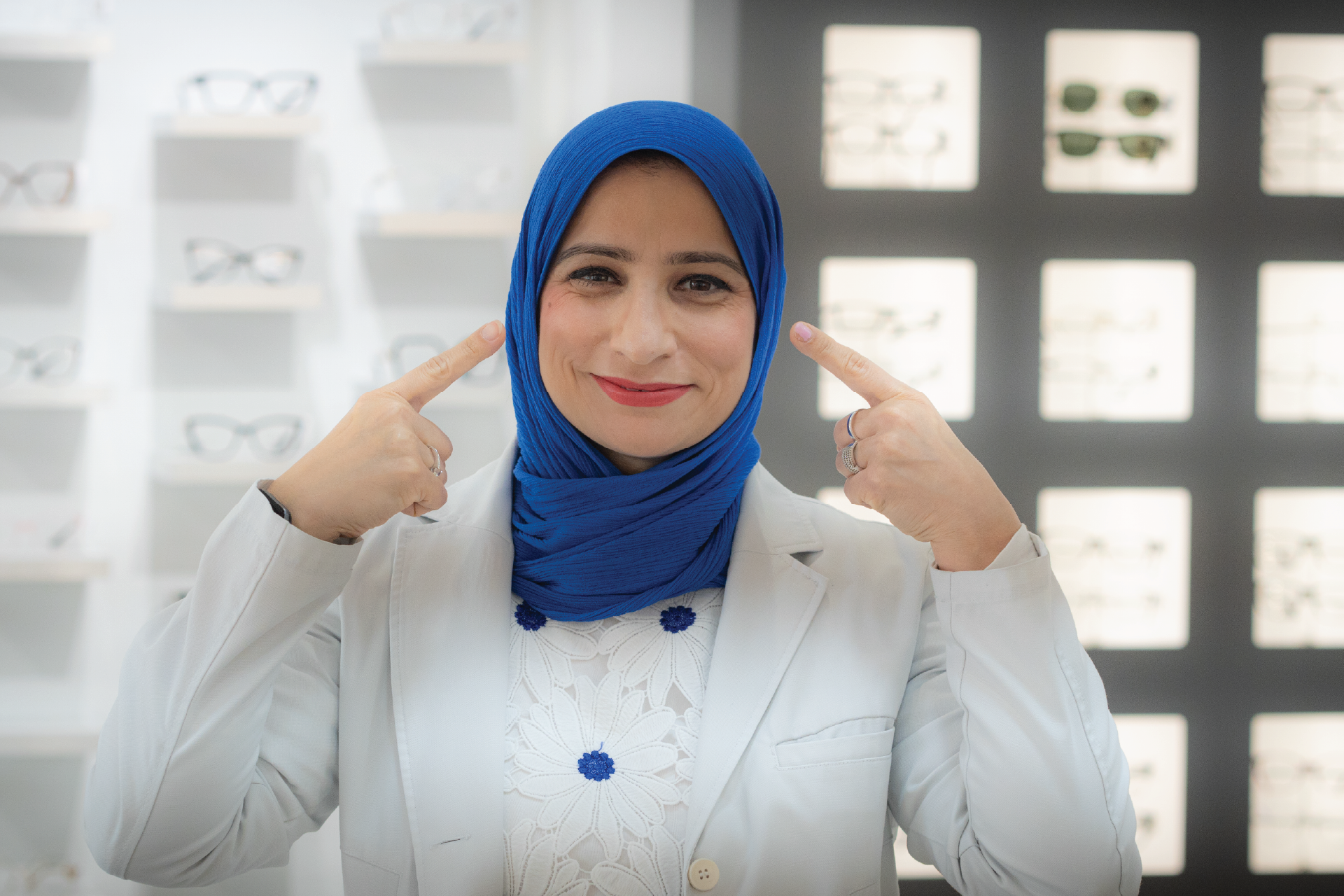
Why Choose Texas State Optical Briargrove
Trusted Myopia Management in Houston
- Comprehensive Eye Exams by Eye Care Professionals
Thorough eye evaluations can detect nearsightedness early and track its progression. - Highly Experienced Optometrists
Our expert optometrists and staff have decades of combined experience managing myopia. - Myopia Management Solutions
Our physicians diagnose and prescribe effective myopia solutions that will improve your quality of life with clearer vision. - Advanced Diagnostic Technology
An experienced optician will utilize state-of-the-art retinal imaging and corneal mapping for accurate assessments. - Tailored Patient-First Approach with Custom Treatment Plans for You
We will prescribe a progressive myopia control option, whether it be a specialty contact lenses or glasses, that works best for you. - Family-Friendly Care You Can Trust
Our eye doctors provide personalized care for patients of all ages, from children 5 years old up to seniors. - Bilingual, Family-Friendly Office
We proudly serve the diverse families of Houston, offering care in English and Spanish. - Convenient Houston Location
Located near Fountain View Drive, in the Briargrove Plaza, TSO Briargrove is easily accessible, with flexible scheduling. - Flexible Payment Options
We accept most eye care insurance carriers and also offer significant savings with the TSO Vision Plan for those without insurance.
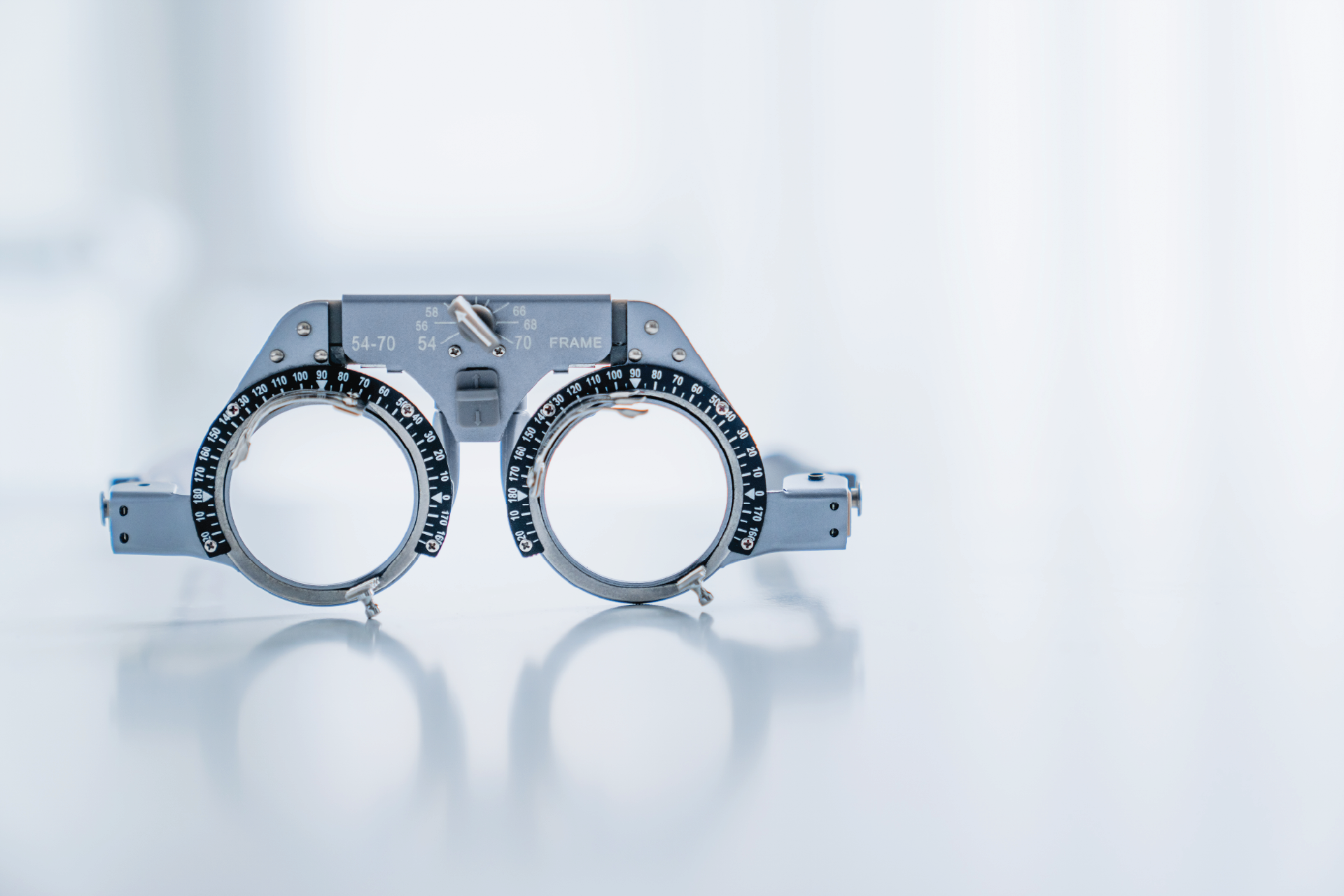
Nearsightedness vs. Farsightedness: What’s the Difference?
Myopia (nearsightedness) and Hyperopia (farsightedness) are two of the most common types of refractive errors. Refractive errors are conditions where the eye struggles to focus light properly, resulting in blurred vision. The key difference lies in what distances are affected.
Myopia (nearsightedness) causes distant objects to appear blurry while close-up vision remains clear. This happens when the eye is too long or the cornea is too curved, causing light to focus in front of the retina. People with myopia often notice difficulty seeing road signs, classroom boards or watching movies from afar.
In contrast, hyperopia (farsightedness) makes it harder to see nearby objects clearly, while distance vision may remain relatively unaffected. This occurs when the eye is too short or the cornea lacks sufficient curvature, causing light to focus behind the retina. Farsighted individuals may experience eye strain, headaches, or difficulty with tasks like reading or using a smartphone.
We can easily diagnose both conditions during a comprehensive eye examination and managed each with glasses, contact lenses, or specialized treatments.
Call us at (713) 785-2022 if you’re experiencing blurry vision or concerned about your eye health.
Managing Nearsightedness is Simple at TSO Briargrove.
- Book an Eye Examination
Schedule your personalized eye exam that includes myopia screening at a time that works for you. - Receive a Comprehensive Evaluation
We’ll assess your vision, eye health, and screen for nearsightedness and other eye health factors. - Review Your Custom Treatment Plan
Our optometrists explain your options clearly — from glasses to specialty lenses and other myopia management therapies. - Start Managing Your Nearsightedness
Begin your eye care plan and track improvements through regular, proactive visits. - Enjoy Clear, Healthy Vision
Stay ahead of prescription changes and protect your eyesight for the future.
Let Our Customers' Testimonials Speak For Themselves.
"They had some of the best customer service skills and they made sure their customers have the best experience when walking in and when leaving out of that location on westheimer, I can give them a 10 star rating if I could!"
— Shayla Cox
"Great experience! The staff explained everything about my nearsightedness and astigmatism. I feel confident knowing my eye health is in good hands."
— Daniel R., Houston
Protect Your Vision with Expert Myopia Management
We are committed to helping you and your family enjoy clear, healthy vision for years to come. Don’t let blurry distance vision or constant prescription changes disrupt your life.
Book your myopia management appointment today and take the first step toward better vision.
FAQs
How do I know if I need myopia management?
If you or your child struggle to see distant objects clearly, experience frequent prescription changes, or show signs of eye strain, a myopia exam is recommended.
Can nearsightedness be stopped or reversed?
While it can’t be reversed, myopia management treatments can slow its progression and reduce the risk of future vision complications.
What treatments are available for myopia management?
Options include specialty contact lenses (like Ortho-K or MiSight), prescription glasses, and lifestyle recommendations to manage screen time and outdoor activity.
Is myopia management safe for children?
Yes — in fact, managing myopia in children early is one of the most effective ways to protect long-term eye health.
What’s the difference between a regular eye exam and a myopia exam?
A myopia test includes additional measurements and evaluations to track the rate of nearsightedness progression and tailor treatment plans accordingly.
Can lifestyle changes slow or reverse myopia?
Yes. Excesive screentime has been correlated with an increased the risk of myopia so keep screentime to a reasonable amount. Many health care professionals recommend that kids between 5-17 years old limit recreational screen to 2 hours per day.
Is Ortho-K Safe?
Yes, orthokeratology is FDA-approved and considered a safe, non-surgical option. With proper hygiene and routine checkups, risks are minimal. Plus, if you discontinue treatment, Ortho-K contact lenses fully reverse their effects.
Can Kids Use Ortho-K?
Yes! Ortho-K contact lenses help slow myopia progression in children, lowering the risk of worsening vision. Treatment can be stopped anytime, and the eyes will return to their original shape.
How Does Corneal Molding Work?
Orthokeratology uses special lenses to reshape the cornea while you sleep. This gives you clear vision during the day without glasses or contact lenses. The process is safe, reversible and non-invasive.
How Long Does Ortho-K Need to Be Worn for Myopia Control?
Consistent use during childhood is key for effective myopia control. However, if treatment is stopped too early, myopia may worsen. Additionally, regular eye exams ensure the best long-term results.
Will Myopia Still Progress With Ortho-K?
Yes, but at a reduced rate. Studies show Ortho-K can slow myopia progression by about 50%. Regular monitoring helps track changes, as progression varies by age, genetics and other factors.
How Long Does It Take to Get Results With Ortho-K?
Most users see vision improvement within days, with full correction typically achieved in about two weeks. Results depend on prescription strength and individual response.
How Long Will My Clear Vision Last?
For most people, clear vision remains consistent throughout the day. If adjustments are required, your eye doctor can refine the lens design to ensure optimal results.
How Long Has Ortho-K Been Used for Eyesight Improvement?
Orthokeratology has been used since the 1960s and has advanced significantly with modern lens technology. It remains a precise, non-surgical alternative for vision correction.
What is the Success Rate of Orthokeratology?
Research shows that 80-90% of users achieve noticeable improvements in vision. While results may vary from person to person, most individuals report clearer vision within just a few days or weeks.
Can I Have LASIK After Ortho-K?
Yes, but it’s rare. Unlike LASIK, which permanently reshapes the cornea, Ortho-K provides temporary correction. If discontinued, vision may stabilize at a lower prescription before considering LASIK.
Quick Links
Helpful Articles
article_category: vision therapy
article_category: contact lenses
article_category: eye surgery co-management
article_category: products
article_category: services
article_category: technology
article_category: surgical procedures
article_category: ocular disease management
article_category: eyeglasses
article_category: eye health
[]
Flowbite is an open-source library of interactive components built on top of Tailwind CSS including buttons, dropdowns, modals, navbars, and more.
Check out this guide to learn how to get started and start developing websites even faster with components on top of Tailwind CSS.

All Eyecare Services
We offer a wide variety of eye care services to the Houston community. Contact us with any questions about our services.

Locate Us
Click here to find us on Google Maps and take the first step toward meeting our team in person—we can't wait to welcome you to our office!

Contact Information
Office Hours
- Monday 9:00am - 6:00pm
- Tuesday 9:00am - 6:00pm
- Wednesday Closed
- Thursday 9:00am - 6:00pm
- Friday 9:00am - 6:00pm
- Saturday 9:00am - 1:00pm
- Sunday Closed
© 2026 Texas State Optical Briargrove. All rights Reserved - Accessibility Statement - Privacy Policy - Sitemap
Managed and Designed by 