

 Myopia management
 Dry Eye Treatment
 Shop Our Frames
Blog:Emergency Eye Care: 6 Symptoms You Should Never Ignore
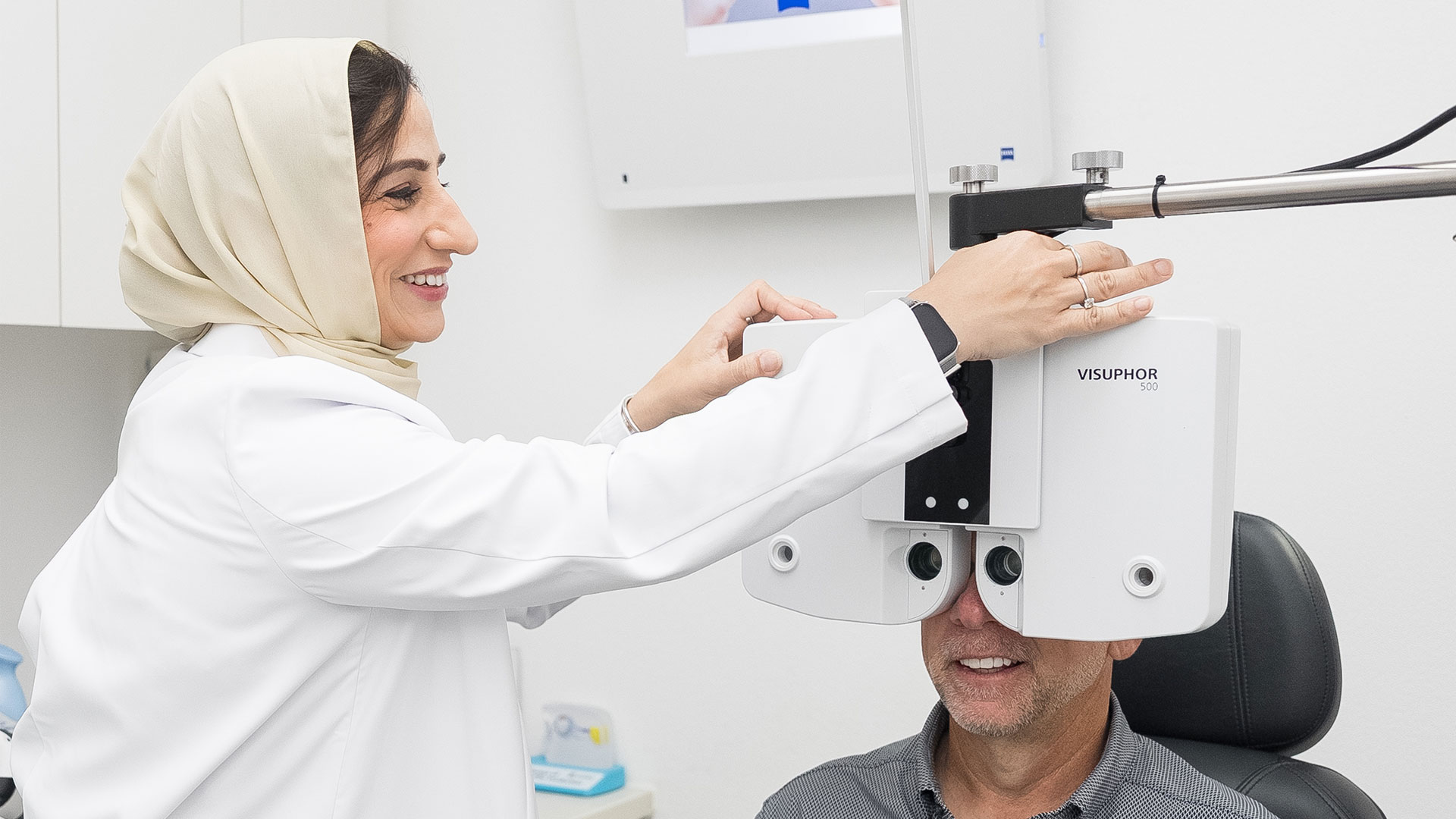
Sudden vision loss, severe eye pain, flashes of light with new floaters, any eye injury, chemical exposure, and sudden redness with swelling or discharge can all be signs you need emergency eye care. Texas State Optical At Briargrove offers same-day emergency eye exams in Houston at 6100 Westheimer Rd #136A. Call 713-785-2022 before heading to a general ER so you can get the right eye care as quickly as possible.
If you live in Briargrove, Tanglewood, The Galleria, or anywhere around Uptown Houston , you've probably had that moment, when something happens to your eye and you're not sure if it's a "wait and see" problem or a "drop everything" problem. Maybe it's your son's baseball that caught you wrong at practice near Highland Village, or you woke up with an eye so red and swollen you can barely open it before a big meeting downtown.
Eye emergencies are confusing because pain and appearance don't always match severity. A tiny speck of metal can cause a serious injury, while a very red, alarming-looking eye can sometimes be minor. That's exactly why guessing at home is risky. Below are six symptoms our doctors at Texas State Optical At Briargrove tell patients to never brush off, plus where to go and what to expect.
1. Sudden Vision Loss or Significant Blurring
Any sudden loss of vision, even if it's only in one eye, needs to be checked the same day. This isn't the kind of gradual blurry vision you might notice when it's time for a new prescription. We're talking about a sudden curtain-like effect, a dark spot, or a major drop in clarity that happens quickly.
Sudden vision changes can point to a handful of serious causes, including retinal detachment, a blocked blood vessel in the eye, or optic nerve issues. Some of these are true emergencies that need evaluation within hours, not days. If the vision loss is sudden, total, and affects one eye only, treat it the way you'd treat a stroke symptom and seek care immediately, an ER or our office, whichever you can reach faster.
2. Severe or Sudden Eye Pain
Mild, gritty eye discomfort after a long day of staring at screens is pretty common and usually isn't something to worry about. But severe or sudden eye pain is different, especially if you're also dealing with light sensitivity, nausea, or blurry vision.
That combination can be a sign of a corneal abrasion, an eye infection, or, in some cases, a sudden increase in eye pressure from angle-closure glaucoma. That's a true emergency and needs immediate attention. If you're searching for "urgent care for eye pain" because over-the-counter drops aren't helping, that's a good sign it's time to see an eye doctor who can properly examine what's going on instead of just treating the surface symptoms.
This is one of the more common reasons Uptown and Galleria-area patients call us directly instead of waiting for a general urgent care appointment; a dedicated medical eye exam can pinpoint the cause the same day.
3. Flashes of Light or a Sudden Increase in Floaters
A few floaters here and there, especially if you've had them for years, are usually nothing to worry about. But a sudden shower of new floaters, flashes of light in your peripheral vision, or floaters combined with a shadow creeping in from one side is different territory.
These symptoms are classic warning signs of a retinal tear or detachment. Retinal detachment doesn't always hurt, which is part of why it's so often missed until vision is already affected. If flashes or floaters show up suddenly, especially after age 50 or if you're nearsighted, get a dilated exam within 24 hours.
4. Any Eye Injury, Scratches, Punctures, or Blunt Trauma
Getting poked with a branch while gardening in Afton Oaks, a fingernail scratch from a toddler, a racquetball to the eye, or a scratched cornea from a stray eyelash or contact lens - all of these count as eye injuries, and all of them deserve a same-day look.
A scratched cornea (corneal abrasion) is one of the most common reasons people search for "urgent care for a scratched eye." It usually feels like something is still stuck in the eye even after the object is gone, along with tearing, light sensitivity, and pain when blinking. Left untreated, an abrasion can become infected or lead to complications, so it's worth having a doctor confirm there's no debris left behind and prescribe the right drops.
A direct hit to the eye from a ball, elbow, or falling object can cause problems you can't always see from the outside, including internal bleeding or a fracture around the eye socket. If you have swelling, double vision, or a change in your pupil after an injury, get checked right away. A hard blow may also require an ER visit for imaging and an eye exam.
5. Chemical Exposure or Something Stuck in the Eye
If a cleaning product, pool chemical, or anything caustic gets in your eye, rinse it with clean water or saline right away for at least 15 minutes. Don't wait to call us or get to a waiting room. With chemical exposure, every minute matters.
If sawdust, metal, sand, or something else gets stuck in your eye and won't rinse out, don't rub it or try to remove it yourself. We can safely remove many foreign bodies during an emergency eye exam, but chemical burns or deeply embedded objects may need immediate ER care.
A quick call to our office at 713-785-2022 can help you figure out in under a minute whether you need us or the ER: we'd rather answer that question over the phone than have you guess.
6. Sudden Redness With Swelling, Pus, or Vision Changes
A little redness after a rough night's sleep or seasonal allergies is normal. Redness that comes on fast, spreads across the whole eye, and comes with thick discharge, crusting, swelling of the eyelid, or any change in vision is a different story, that combination can point to a more serious eye infection, not just standard pink eye.
This is one of the top reasons patients ask, 'Can I go to urgent care for an eye infection?', and while a general urgent care can sometimes prescribe basic antibiotic drops, they typically don't have the equipment to check pressure inside the eye or examine the cornea under magnification the way an optometrist can. If redness is severe, painful, or affecting your vision, an eye doctor is the more thorough first stop.
What Happens During an Emergency Eye Exam at Texas State Optical At Briargrove
When you call our Westheimer Rd office with an eye emergency, Dr. Ayesha Butt, O.D. or Dr. Emily Pham, O.D., both Therapeutic Optometrists and Optometric Glaucoma Specialists, will typically check your vision, examine the surface and internal structures of the eye, and measure eye pressure if needed. Because we're doctor-owned and have served Uptown Houston since our roots trace back to 1936, our goal is always a same-day answer, not a referral chain that leaves you waiting.
We also accept most major vision and medical insurance plans in Texas, so before you assume an emergency visit means a big out-of-pocket bill, give us a call, we can check your coverage while you're still deciding where to go. Our full emergency eye care services page has more detail on what we treat in-office.
Don't Wait on Warning Signs
Eye emergencies don't always look or feel obvious, so it's better to have a doctor check and confirm it's nothing serious than to assume it's fine and be wrong. If you're experiencing any of the six symptoms above, or you're simply not sure, Texas State Optical At Briargrove is here for patients throughout Greater Uptown, St. George Place, Larchmont, Briargrove, Tanglewood, The Galleria, and Afton Oaks.
Call 713-785-2022 now to get a same-day emergency eye exam, or visit our eye care services page to see everything we treat beyond emergencies, from routine eye exams to glaucoma testing. Your eyes don't get a second chance, when in doubt, get it checked.
Frequently Asked Questions
When is eye pain an emergency?
Eye pain can be an emergency when it's sudden, severe, or comes with symptoms like light sensitivity, nausea, blurred vision, or a headache. Mild irritation from allergies or dry eyes usually isn't urgent, but if the pain makes it hard to open your eye or gets worse quickly, you should get checked the same day.
Can I go to urgent care for an eye infection?
A general urgent care doctor can often prescribe basic drops for a mild infection, but they typically don't have the magnification or pressure-testing equipment an optometrist uses to rule out something more serious. If the infection is painful, affecting vision, or not improving, an eye doctor is a more thorough choice.
Can urgent care look at eyes?
Yes, most urgent care clinics can do a basic visual check and treat minor issues like simple conjunctivitis. For anything involving vision changes, injury, or eye pressure, you'll get a more complete evaluation from an optometrist who has the right diagnostic tools.
Does urgent care have eye doctors?
Most urgent care centers are staffed by general practitioners or physician assistants, not optometrists or ophthalmologists. That's an important distinction for eye emergencies, since conditions like retinal detachment or elevated eye pressure require equipment a general urgent care usually doesn't have on-site.
Can urgent care do eye exams?
Urgent care can typically do a basic vision screening, but a true eye exam — checking the retina, measuring eye pressure, and examining the cornea under magnification — requires an optometrist's equipment. For anything beyond a minor scratch or basic pink eye, an eye-specific exam gives you a clearer answer.
Can urgent care help with eye issues?
For very minor issues, yes. But for anything involving sudden vision change, moderate to severe pain, injury, or a sudden increase in floaters or flashes, an optometrist or ophthalmologist is better equipped to diagnose and treat the underlying cause correctly the first time.
Where should I go for emergency eye care?
For sudden vision loss, chemical burns, or serious trauma, go to the nearest ER first. For everything else, scratched corneas, foreign objects, sudden redness, eye pain, or flashes and floaters, call Texas State Optical At Briargrove at 713-785-2022 for a same-day emergency eye exam.
Can urgent care treat eye injuries?
It depends on the injury. Urgent care can sometimes manage very minor surface issues, but injuries like a scratched cornea, embedded debris, or blunt trauma are better handled by an optometrist who can examine the eye thoroughly and check for complications urgent care isn't equipped to catch.
Do I need a referral to see an eye doctor?
No, you generally don't need a referral to see an optometrist for an eye emergency. Keep in mind that emergency and medical eye issues are typically billed to medical insurance rather than vision insurance, since vision plans are built for routine exams and glasses or contacts, not urgent medical treatment. You can call our office directly, and we can check your coverage over the phone before your visit.
Should I go to urgent care for a stye?
A stye can usually be treated with warm compresses at home for the first day or two. If it's growing quickly, extremely painful, or affecting your vision, it's worth having an eye doctor look at it to rule out a more serious infection, rather than starting with general urgent care.
Quick Links
Helpful Articles
article_category: products
article_category: psychiatry
article_category: faqs
article_category: cats
article_category: general
article_category: services
article_category: technology
article_category: dogs
article_category: restorative
article_category: vision therapy
article_category: contact lenses
article_category: health
article_category: conditions
article_category: eye surgery co-management
article_category: exotic
article_category: cosmetic
article_category: surgical procedures
article_category: aesthetics
article_category: preventative
article_category: ocular disease management
article_category: eyeglasses
article_category: eye health
article_category: large animal
[]
article_category: psychiatry
article_category: faqs
article_category: cats
article_category: general
article_category: services
article_category: technology
article_category: dogs
article_category: restorative
article_category: vision therapy
article_category: contact lenses
article_category: health
article_category: conditions
article_category: eye surgery co-management
article_category: exotic
article_category: cosmetic
article_category: surgical procedures
article_category: aesthetics
article_category: preventative
article_category: ocular disease management
article_category: eyeglasses
article_category: eye health
article_category: large animal
[]
Flowbite is an open-source library of interactive components built on top of Tailwind CSS including buttons, dropdowns, modals, navbars, and more.
Check out this guide to learn how to get started and start developing websites even faster with components on top of Tailwind CSS.

All Eyecare Services
We offer a wide variety of eye care services to the Houston community. Contact us with any questions about our services.

Locate Us
Click here to find us on Google Maps and take the first step toward meeting our team in person—we can't wait to welcome you to our office!

Contact Information
Office Hours
- Monday 9:00am - 6:00pm
- Tuesday 9:00am - 6:00pm
- Wednesday Closed
- Thursday 9:00am - 6:00pm
- Friday 9:00am - 6:00pm
- Saturday 9:00am - 1:00pm
- Sunday Closed
- Monday 9:00am - 6:00pm
- Tuesday 9:00am - 6:00pm
- Wednesday Closed
- Thursday 9:00am - 6:00pm
- Friday 9:00am - 6:00pm
- Saturday
- Sunday Closed
- Monday 8:00am - 5:00pm
- Tuesday
- Wednesday
- Thursday
- Friday
- Saturday
- Sunday
© 2026 Texas State Optical Briargrove. All rights Reserved - Accessibility Statement - Privacy Policy - Sitemap
Managed and Designed by 