

 Myopia management
 Dry Eye Treatment
 Shop Our Frames
10 Toxic Eye Products To Look Out For the Next Time You Shop
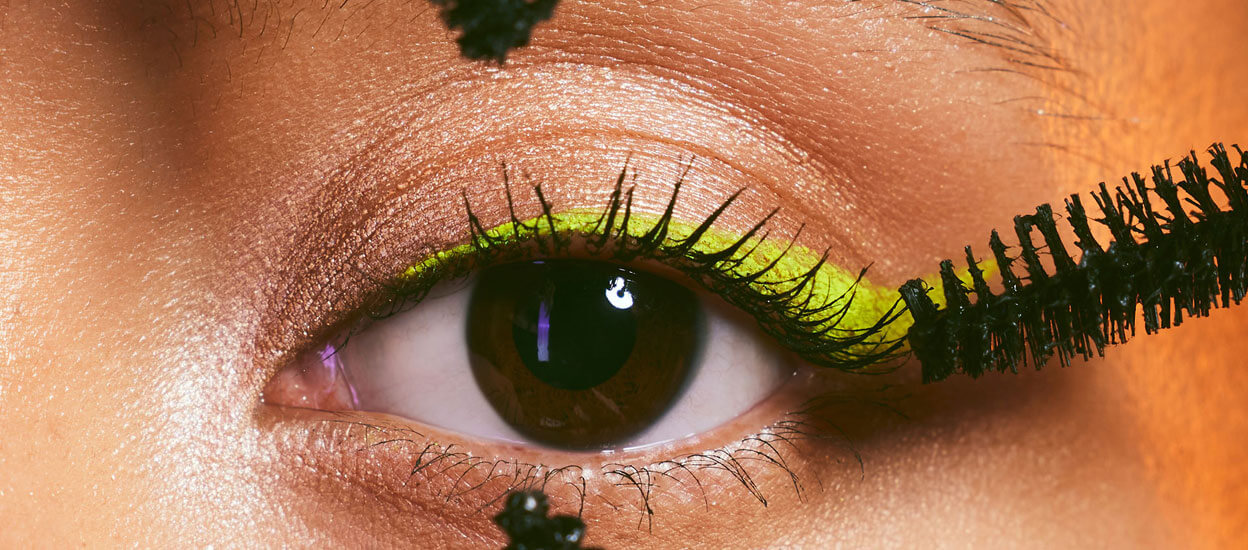
The makeup industry has seen an exponential rise in recent years, with billions of people using cosmetics daily. Eye makeup products, including mascaras, eyeliners, and eye shadows, are among the most popular. However, the delicate skin around the eyes and the eyes themselves are highly vulnerable to the effects of chemicals found in these products.
Where careless application of makeup on the eyes may contribute to irritation, inflammation, and allergic reactions, it may also result in some serious eye diseases. Over time, the use of harmful chemicals can lead to more severe problems, including infections or long-term eye damage. It's crucial to understand that while makeup can enhance beauty, it's equally important to prioritize eye health and choose products wisely. Texas State Optical brings you the ’10 toxic eye products to look out for the next time you shop’. Hop on and get to know all about these bad boys.
What is Ocular Cosmetic?
Ocular cosmetics refer to any beauty product designed to enhance the appearance of the eyes. This includes everything from eyeliner and mascara to eye creams and lashes. Unlike regular skin products, ocular cosmetics come into close contact with the eyes, which makes their formulation extremely important for safety.
Using ocular cosmetics without checking for harmful ingredients can lead to various eye conditions. Ocular cosmetics should be chosen carefully, with attention to their safety profile, especially in relation to the sensitive eye area.
What Eye Diseases Can be Caused by Makeup?
Makeup products can lead to several eye diseases if they contain toxic ingredients or if they aren't applied correctly. Some of the common eye-related issues caused by makeup include:
- Conjunctivitis – Also known as pink eye, conjunctivitis can occur if makeup becomes contaminated with bacteria, leading to infection.
- Blepharitis – This is an inflammation of the eyelids, often caused by poor hygiene or the presence of irritants in makeup.
- Corneal Ulcers – Certain toxic ingredients may damage the corneal surface, leading to painful ulcers.
- Allergic Contact Dermatitis – Fragrances and preservatives in makeup can trigger allergic reactions, leading to red, swollen eyelids.
- Dry Eye Syndrome – Eye makeup can block oil glands around the eyes, leading to dry eyes and discomfort.
Top 10 Toxins to Avoid in Personal Care Products
When shopping for eye products, it's essential to know which toxins to avoid to protect your eye health. The following are ten of the most harmful ingredients commonly found in eye makeup:
- Parabens – Widely used as preservatives, parabens have been linked to hormone disruption.
- Phthalates – These chemicals help products stick to the skin but are known to disrupt the endocrine system.
- Formaldehyde – A known carcinogen used in some mascaras and eyeliners as a preservative.
- Toluene – Found in some eyeliners, toluene can cause skin irritation and respiratory problems.
- Lead – Lead may be present in some cheap cosmetics and is highly toxic, even in small amounts.
- Mercury – Used in preservatives for eye makeup, mercury exposure can damage the nervous system.
- Coal Tar Dyes – These synthetic dyes, often found in eye shadows, have been linked to cancer.
- Benzalkonium Chloride – A preservative in some mascaras that can cause eye irritation.
- Synthetic Fragrances – Fragrances can cause allergic reactions, especially around sensitive areas like the eyes.
- Triclosan – Used for its antibacterial properties but can disrupt hormone function.
The "Never" List: 26 Ingredients to Avoid
When purchasing makeup, particularly eye makeup, it's important to avoid harmful ingredients that can potentially lead to serious health issues. We have compiled a list of 26 ingredients you should "never" use in your eye cosmetics:
- Parabens
- Phthalates
- Formaldehyde
- Lead
- Mercury
- Coal tar
- Toluene
- Triclosan
- Benzalkonium Chloride
- Synthetic fragrances
- Polyethylene Glycol (PEGs)
- Sodium Lauryl Sulfate (SLS)
- Siloxanes
- Hydroquinone
- Talc
- Phenoxyethanol
- Octinoxate
- Oxybenzone
- Retinyl Palmitate
- Butylated Hydroxyanisole (BHA)
- Butylated Hydroxytoluene (BHT)
- Diethylamine (DEA)
- Triethanolamine (TEA)
- Ethanolamine
- Ethylparaben
- Methacrylate
By steering clear of these ingredients, you significantly reduce the risk of adverse reactions and long-term damage to your eyes.
What is Clean Makeup?
Clean makeup refers to products that are made without harmful chemicals and toxins. Clean beauty brands prioritize safe, non-toxic formulations, ensuring that their products don't compromise health for beauty. Clean makeup can help reduce the risk of skin irritation, allergies, and long-term eye damage.
When shopping for clean makeup, look for products labeled as "paraben-free," "fragrance-free," or "hypoallergenic." These labels can help guide consumers toward safer, more responsible choices.
Conclusion
It only takes 26 seconds for the toxic products in cosmetics to reach your bloodstream. Your eyes are sensitive and your vision is precious thus, deserves the utmost care, especially when it comes to makeup. To protect your eye health, it's essential to become a conscious consumer by reading labels and avoiding toxic ingredients. Transitioning to clean beauty products is a proactive step towards safeguarding your health while maintaining your beauty routine.
Want to know more about ocular cosmetics and eye health? Here is another read ‘Is That Killer Eye Makeup Look Really Killing Your Vision?’
FAQs:
Can eye makeup cause infections?
Yes, eye makeup can cause infections if it contains harmful ingredients or is contaminated with bacteria.
What are the signs of an allergic reaction to eye makeup?
Redness, swelling, itching, and burning around the eyes are common signs of an allergic reaction.
How often should I replace my eye makeup?
Eye makeup should be replaced every three months to prevent bacterial growth.
Are natural eye makeup products safer?
Generally, natural makeup is safer as it tends to be free from harmful chemicals, but always check the label for ingredients.
What should I do if I get makeup in my eyes?
Rinse your eyes immediately with water and consult a doctor if irritation persists.
What are clean beauty certifications I should look for?
Look for certifications like "ECOCERT," "USDA Organic," or "Leaping Bunny" to ensure the products are clean and cruelty-free.
Quick Links
Helpful Articles
article_category: products
article_category: psychiatry
article_category: faqs
article_category: cats
article_category: general
article_category: services
article_category: technology
article_category: dogs
article_category: restorative
article_category: vision therapy
article_category: contact lenses
article_category: health
article_category: conditions
article_category: eye surgery co-management
article_category: exotic
article_category: cosmetic
article_category: surgical procedures
article_category: aesthetics
article_category: preventative
article_category: ocular disease management
article_category: eyeglasses
article_category: eye health
article_category: large animal
[]
article_category: psychiatry
article_category: faqs
article_category: cats
article_category: general
article_category: services
article_category: technology
article_category: dogs
article_category: restorative
article_category: vision therapy
article_category: contact lenses
article_category: health
article_category: conditions
article_category: eye surgery co-management
article_category: exotic
article_category: cosmetic
article_category: surgical procedures
article_category: aesthetics
article_category: preventative
article_category: ocular disease management
article_category: eyeglasses
article_category: eye health
article_category: large animal
[]
Flowbite is an open-source library of interactive components built on top of Tailwind CSS including buttons, dropdowns, modals, navbars, and more.
Check out this guide to learn how to get started and start developing websites even faster with components on top of Tailwind CSS.

All Eyecare Services
We offer a wide variety of eye care services to the Houston community. Contact us with any questions about our services.

Locate Us
Click here to find us on Google Maps and take the first step toward meeting our team in person—we can't wait to welcome you to our office!

Contact Information
Office Hours
- Monday 9:00am - 6:00pm
- Tuesday 9:00am - 6:00pm
- Wednesday Closed
- Thursday 9:00am - 6:00pm
- Friday 9:00am - 6:00pm
- Saturday
- Sunday Closed
© 2026 Texas State Optical Briargrove. All rights Reserved - Accessibility Statement - Privacy Policy - Sitemap
Managed and Designed by 